Stone Polishing vs. Stone Replacement for Commercial Properties
People seeking stone polishing for commercial properties aim to restore shine and durability, and local service providers can help choose between polishing or replacement based on your needs.
If you manage a commercial property, understanding the differences between stone polishing and stone replacement can be essential for maintaining a professional appearance and making practical decisions about your investment. Many property owners in the area explore these options to determine the best way to preserve the beauty and durability of their stone surfaces while managing costs and long-term upkeep. Whether dealing with worn or damaged stone or simply looking to enhance its appearance, knowing when polishing might suffice versus when replacement is necessary can help in planning effective maintenance strategies. Local contractors skilled in stone polishing can often breathe new life into existing surfaces, offering a cost-effective alternative to full replacement.
As you continue exploring this topic, it’s helpful to consider the specific needs of your property’s stone surfaces. Factors like surface condition, age, and overall aesthetic goals influence whether stone polishing or replacement makes more sense. Many property owners find that working with experienced service providers can help assess the current state of their stone and recommend practical solutions. Local pros who specialize in stone polishing are equipped to restore and enhance surfaces, often providing a compelling alternative to the more invasive and costly process of stone replacement. Keep reading to discover how these services might be a valuable part of your property’s maintenance plan.
- Stone polishing services are often sought when commercial properties want to restore the shine and smoothness of existing stone surfaces without replacing them. Local contractors approach this by carefully cleaning and polishing the stone to enhance appearance and durability. When stone replacement is considered due to severe damage or outdated design, local pros can advise on whether polishing can extend the life of the current surfaces. For properties aiming to preserve architectural integrity, stone polishing offers a cost-effective alternative to full replacement. Local service providers can assess the condition of the stone and recommend the most appropriate solution based on the property's needs.
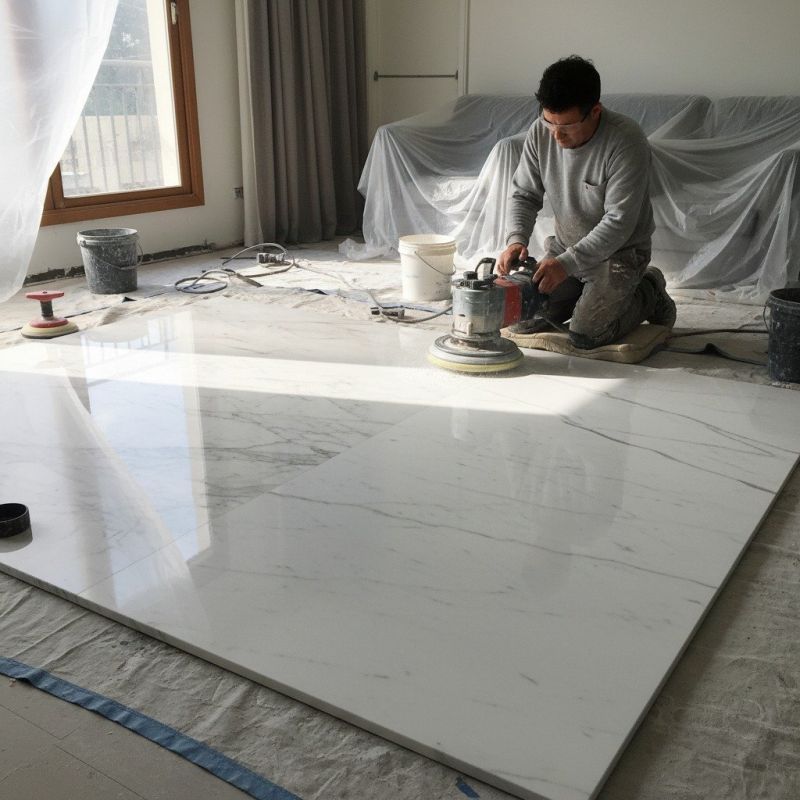
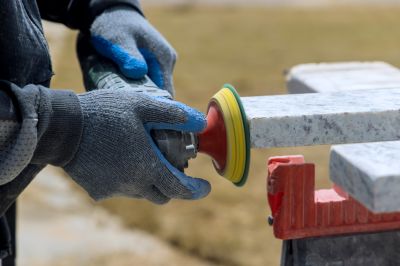
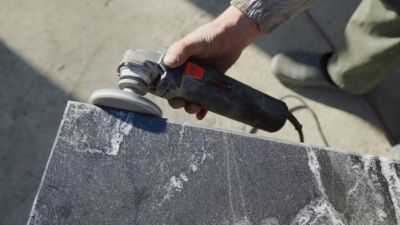
When people search for stone polishing vs. stone replacement for commercial properties, they are typically exploring options to improve the appearance and durability of their stone surfaces. This comparison often arises in the context of maintaining or upgrading flooring, countertops, or exterior facades made from natural stone materials such as marble, granite, or limestone. Business owners and property managers may be looking for ways to restore the original shine and smoothness of their stone surfaces without undertaking costly or disruptive replacements. Understanding the differences between these two approaches helps property owners determine which solution best fits their goals for aesthetics, longevity, and budget.
This topic relates closely to common problems faced by commercial properties, such as surface wear, scratches, staining, or dullness that develop over time. Many property owners consider stone polishing as a way to revive and enhance the existing stone surfaces, making them look nearly new without removing the material. On the other hand, stone replacement involves removing worn or damaged stone and installing new slabs or sections, which can be necessary if the existing stone is extensively damaged or no longer suitable for the property's needs. Property owners planning renovations or dealing with significant surface deterioration often weigh these options to decide whether polishing can restore their surfaces or if replacement is the only viable solution.
The types of properties that frequently come up in discussions about stone polishing vs. stone replacement include commercial office buildings, retail stores, restaurants, hotels, and healthcare facilities. These properties often feature large expanses of stone flooring, countertops, or decorative features that contribute to their professional appearance. Such surfaces are subject to high foot traffic, spills, and general wear, making maintenance and aesthetic preservation important. Local service providers specializing in stone polishing can assess the condition of these surfaces and recommend whether polishing can effectively restore their appearance or if replacement is necessary to achieve the desired results.
For property owners considering their options, understanding how local pros fit into the process is essential. Stone polishing specialists can evaluate the current state of a surface, identify whether polishing will meet the property's needs, and perform the work efficiently. These professionals use specialized equipment and techniques to remove surface imperfections, restore shine, and extend the lifespan of existing stone. When replacement is needed, they can also connect property owners with trusted contractors who handle the removal and installation of new stone surfaces. This approach allows commercial property owners to make informed decisions about maintaining or upgrading their stone features, ensuring their spaces remain attractive and functional.
Floor Restoration Projects - These projects involve restoring worn or damaged surfaces using polishing techniques similar to those used in stone polishing for commercial properties, requiring knowledge of stone care and surface preparation.
Marble and Granite Refinishing - Refinishing services for high-traffic surfaces utilize polishing methods that help extend the life of stone surfaces, paralleling the skills needed for stone polishing versus replacement decisions.
Countertop Renovation - Upgrading or restoring commercial countertops often involves polishing or resurfacing techniques, making it relevant for service providers experienced in stone surface treatments.
Concrete Polishing and Restoration - This work shares tools and planning strategies with stone polishing, especially when improving the appearance of exposed aggregate or polished concrete surfaces in commercial settings.
Tile and Surface Grouting - Proper grouting and sealing require surface preparation and attention to detail similar to stone polishing, helping maintain aesthetic and structural integrity of stone surfaces.
Surface Surface Repair and Patching - Repairing chips, cracks, or surface damage involves skills in surface preparation and finishing, which are integral to both stone polishing and assessing when replacement is necessary.
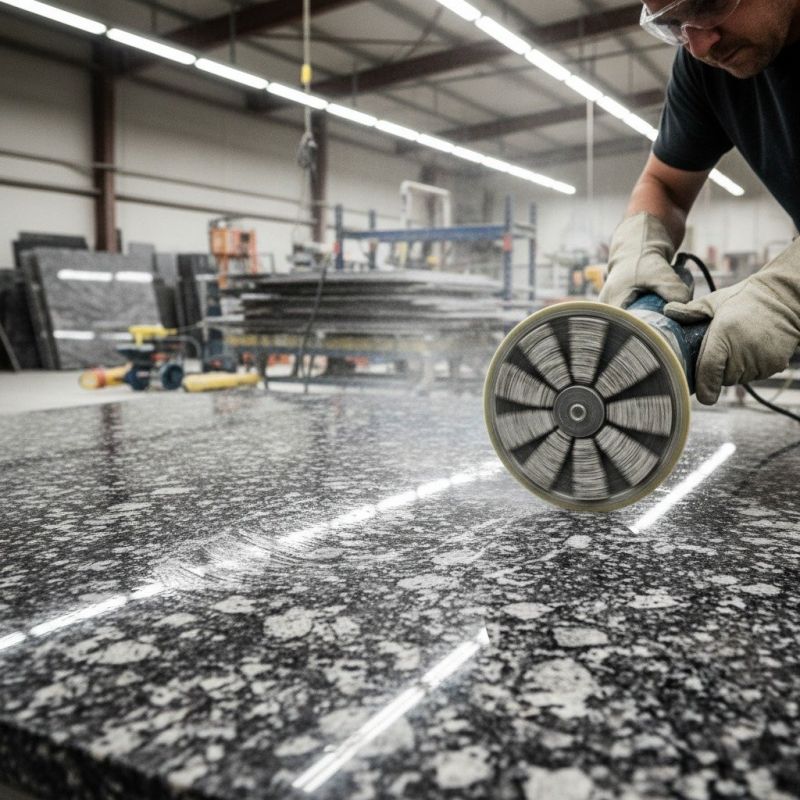
When comparing service providers for stone polishing versus stone replacement for commercial properties, it’s important to evaluate their experience with similar projects. A contractor who has successfully handled comparable stone surfaces and commercial settings will be better equipped to deliver results that meet your expectations. Request information about their past work to understand the scope and quality of their experience, ensuring they are familiar with the specific challenges and requirements of polishing or replacing stone in a commercial environment.
Clear written expectations are essential when choosing a local contractor. A reputable service provider should be able to articulate the scope of work, the methods they will use, and the expected outcomes in a detailed proposal or estimate. This transparency helps prevent misunderstandings and provides a basis for comparing different pros. It’s also valuable to seek out reputable references or reviews from previous clients, especially those with similar property types, to gain insight into their reliability and quality of work.
Effective communication is a key factor in selecting the right service provider for stone polishing or replacement projects. A professional contractor should be responsive to questions, able to explain options clearly, and willing to discuss any concerns you may have. Good communication ensures that expectations are aligned from the start and that the project proceeds smoothly. Taking the time to assess how well prospective local pros listen and respond can make a significant difference in achieving a successful outcome for your commercial property’s stone surfaces.
Property owners often search for stone polishing vs. stone replacement for commercial properties when they are planning practical projects around their homes and businesses. Local pros provide Stone Polishing services for everyday jobs and straightforward project options.
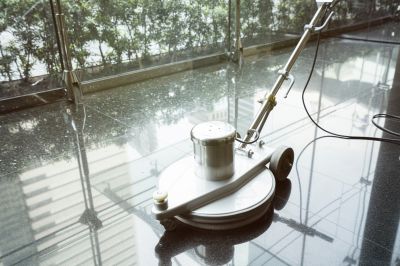
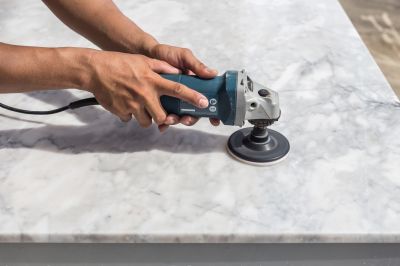
In many commercial properties, the decision between stone polishing and stone replacement often comes up during routine maintenance or renovation planning. Property owners may notice dull or scratched stone surfaces that detract from the overall appearance of their spaces. In such cases, seeking out local contractors who specialize in stone polishing can be a practical solution to restore the natural shine and smoothness of existing stone flooring or surfaces without the need for costly replacements. Understanding the benefits of stone polishing can help property owners make informed choices that enhance their property's aesthetic appeal with minimal disruption.
Conversely, when stone surfaces are severely damaged or outdated, some property owners might consider replacement as an alternative. However, local service providers who offer stone polishing services can often evaluate the condition of the existing stone and recommend whether polishing can effectively address the issues. For many commercial settings, opting for professional polishing from experienced local contractors can be a more efficient and cost-effective way to refresh the appearance of stone surfaces, avoiding the expense and downtime associated with full replacement. This approach allows property owners to maintain a polished, professional look while making the most of their current materials.
When should a commercial property consider stone polishing instead of replacement? Stone polishing is suitable when the existing stone surface is structurally sound but has surface dullness, scratches, or stains that can be restored. Local contractors can assess whether polishing will effectively improve the appearance without the need for replacement.
Can stone polishing restore the appearance of heavily damaged stone surfaces? Stone polishing can improve surfaces with minor surface imperfections, but extensive damage or deep cracks may require stone replacement. Service providers can evaluate the extent of damage to recommend the best solution.
What are the benefits of choosing stone polishing over replacement for commercial properties? Stone polishing offers a less invasive, more cost-effective way to enhance existing surfaces, preserving the original material and reducing downtime compared to replacement. Local pros can help determine if polishing will meet the property's aesthetic goals.
Is stone replacement necessary if the stone has deep scratches or stains? Deep scratches or stubborn stains might not be fully removable through polishing, making replacement a more viable option. Local contractors can advise on whether polishing can sufficiently restore the surface or if replacement is needed.
How do local service providers decide between stone polishing and stone replacement? They evaluate the condition, damage level, and desired outcome of the stone surface. If the stone can be restored with polishing, they will recommend that; otherwise, replacement may be suggested for better long-term results.
Assessing surface condition - Property owners can evaluate whether stone surfaces are dull or chipped to decide if stone polishing services are sufficient instead of replacement.
Choosing restoration over replacement - When stone surfaces are structurally sound but lack shine, local contractors can restore the appearance through polishing to prolong their usability.
Matching existing stone finishes - For commercial properties with unique or historic stonework, stone polishing helps maintain consistent aesthetics without the need for costly replacement.
Planning for ongoing maintenance - Incorporating regular stone polishing into property upkeep can prevent the need for full replacement by preserving the surface’s appearance over time.
If you are thinking about stone polishing vs. stone replacement for commercial properties for a property, this guide is meant to help you understand this topic, the typical project types, and how different options might fit your plans.
When you are ready, you can use the quote form on this page to share a few details about your project. From there, local pros can review the basics and follow up with options that match what you have in mind.